
Premier’s Awards for Health and Medical Research
Established in 1995, the Victorian Government’s Premier’s Awards for Health and Medical Research (the Awards) recognise the exceptional contributions of Victoria’s early career health and medical researchers (Early Career Researchers) and highlight the breadth of work being undertaken in Victoria to make significant improvements to the lives of people around the world.
Award finalists and winners are selected across 5 categories of awards (category awards). Each category award winner receives $5,000 in prize money and a framed certificate. The winner of the Premier’s Award for Health and Medical Research Excellence (Premier’s Excellence Award, overall award) is selected from the pool of category award winners, and receives an additional $15,000 in prize money and a trophy.
2025-26 Winners
Dr Brooke Patterson
Project title: Preventing knee injuries and concussion in women and girls playing Australian Football.
In Australia, rates of concussion and serious knee injuries (such as anterior cruciate ligament) are increasing each year, particularly in girls and women. These injuries have long-term effects on health, including ongoing symptoms, time away from sport, and future conditions like arthritis. As more girls and women take up football, preventing these injuries is more important than ever.
Dr Brooke Patterson developed an injury prevention program for Australian Football called Prep-to-Play. This is a simple, practical training routine that replaces outdated warm-ups and cool-downs (like stretching) with exercises that improve strength, balance, agility, landing, and safe contact skills such as tackling. Prep-to-Play was designed with players, coaches, and health professionals to ensure it was fit-for-purpose.
The Prep-to-Play online resources were distributed to over 22,000 coaches in 2019. Early on, many coaches knew about Prep-to-Play but didn’t feel confident using it. To address this, Dr Patterson designed an implementation strategy which involved training local physiotherapists to run workshops and attend team practice to help coaches learn how to use Prep-to-Play properly.
The implementation strategy was tested in a large, randomised trial involving over 2,400 players from 165 teams across Victoria. The implementation strategy increased Prep-to-Play use four-fold (compared to access to the online resources), and greater use was associated with fewer injuries. Today, Prep-to-Play is part of official Australian Football League resources, coaching webinars and modules, reaching over 500,000 players and coaches nationwide. This project shows that community-led implementation improves sport safety, and has influenced injury prevention strategies globally.
Dr Karyn Ferguson
Project title: Gana Burrai: Aboriginal community-governed maternal and infant health data linkage.
Gana Burrai (Yorta Yorta language for ‘mother baby’) is an Aboriginal-led and community-governed research project focused on improving the evidence available for maternal and infant health planning on Yorta Yorta Country.
Aboriginal mothers and babies continue to experience inequities in health outcomes, yet the data used to guide policy and service planning is often incomplete, fragmented or based on government boundaries that do not reflect Aboriginal communities’ lives or patterns of care. Through her PhD, Dr Karyn Ferguson established the first population-level maternal and infant health dataset for Aboriginal families in the Goulburn Murray region, linking 8 health, birth, maternal and child health, and community-controlled health datasets from 2008 to 2017.
The project used privacy-preserving data linkage and a multi-source Aboriginal identification algorithm to improve recognition of Aboriginal births across linked records, helping to address undercounting and invisibility in official statistics. It also reframed the analysis around Yorta Yorta Country, rather than governmental and administrative boundaries, creating a more accurate regional evidence base.
Gana Burrai demonstrates the practical application of Aboriginal data sovereignty: Aboriginal communities having greater authority over how data about their families is governed, interpreted and used. The resulting dataset supports culturally responsive service planning, maternal health initiatives, policy advocacy and future Aboriginal-led research. It provides a scalable model for using linked population data in ways that are scientifically rigorous, culturally accountable and grounded in community priorities.
Read the video transcript 2025-26 PAHMR - Dr Karyn Ferguson.docx (DOCX 47.68 KB) 
Dr Ebony Monson
Project title: A universal defence against all viruses.
Viral infections remain one of the world’s biggest health challenges, causing widespread illness and death each year. Most antiviral drugs are designed to target a single virus, meaning they can quickly become ineffective as viruses evolve or when new ones emerge. This highlights an urgent need for new approaches that can provide broader protection.
Dr Ebony Monson’s research focuses on the body’s earliest line of defence: the rapid immune response that is activated within minutes of infection. We still don’t fully understand how these early responses are organised inside our cells, however Dr Monson’s research has uncovered a surprising new player in this process: tiny fat-filled structures called lipid droplets.
Once thought to simply store fat, these structures are now shown to act as ‘command centres’ that help cells detect viruses and coordinate an effective immune response. Building on this discovery, this research has also developed engineered versions of lipid droplets that can be delivered into cells and show promising antiviral activity in early studies.
By harnessing the body’s natural defences, this work lays the foundation for a new class of broad-spectrum antiviral treatments, designed to work against many different viruses, including future emerging threats. This approach could help transform how we respond to viral outbreaks and improve health outcomes globally.
Read the video transcript 2025-26 PAHMR - Dr Ebony Monson.docx (DOCX 48.05 KB)
Dr Catherine Jan
Project title: Developing and evaluating a framework for artificial intelligence (AI)-assisted glaucoma detection in Australia.
Glaucoma is the leading cause of irreversible blindness worldwide. More than 60% of Australians with glaucoma do not know they have the disease until permanent vision loss has already occurred. The good news is that early detection and timely treatment can prevent further vision loss, so effective glaucoma screening is essential.
Dr Catherine Jan’s PhD project addressed this challenge by analysing nationwide data and showing that glaucoma is underdiagnosed due to diagnostic complexity and reliance on specialist care (which can have a long wait-time), rather than missed eye checks. Her research examined whether AI could enable earlier detection in primary care by optometrists and general practitioners.
Her work showed that AI-assisted screening was well accepted by clinicians and patients and, when used as a decision-support tool in Australian primary care, could improve diagnostic accuracy and consistency. Using economic analyses, she also showed that AI-assisted glaucoma screening is cost-effective and could contribute to substantial long-term savings for the Australian Government by helping to prevent avoidable vision loss and reducing downstream healthcare and social care costs.
Dr Jan’s research has strengthened understanding of how AI tools may assist in addressing real-world health challenges. It also generated scientific evidence explaining why glaucoma remains widely undiagnosed and how earlier detection may be supported in everyday health care. Overall, the work highlights the potential role of carefully implemented AI in improving access to earlier diagnosis and supporting better patient outcomes.
Read the video transcript 2025-26 PAHMR - Dr Catherine Jan.docx (DOCX 47.88 KB)
Dr Hannah Jarman
Project title: Tackling social media-driven body image harm and eating disorders in youth.
Social media is now central to young people’s lives, but it is also contributing to rising rates of body dissatisfaction and eating disorders – serious mental health issues with long-term consequences. Despite growing concern, there is limited evidence on how these harms occur in real-world settings and how best to prevent them at scale.
Dr Hannah Jarman’s research addresses this gap by identifying how and for whom social media becomes harmful, and by developing practical solutions to reduce these risks. Her work includes the design and evaluation of interventions, such as school-based programs and brief digital tools, that can be delivered widely. These interventions aim to help young people build healthier relationships with social media, their bodies, and their wellbeing before more serious problems develop. This research has contributed to national school-based programs, informed government policy discussions, and supports recent changes to social media platform features aimed at improving online safety.
Dr Jarman co-founded and now chairs the National Taskforce for Social Media, Body Image, and Eating Disorders, bringing together researchers, clinicians, lived experience experts, and eating disorder organisations to drive coordinated, evidence-informed action.
By advancing understanding, strengthening safety-by-design approaches, and improving early prevention, Dr Jarman’s work provides scalable, evidence-based strategies to reduce harm and support young people to thrive in an increasingly digital world.
Read the video transcript 2025-26 PAHMR - Dr Hannah Jarman.docx (DOCX 47.32 KB)
2024-25 Winners
Dr Alisa (Lisa) Higgins
Project title: Long-term (180-Day) Outcomes in Critically Ill Patients With COVID-19 in the REMAP-CAP Randomised Clinical Trial.
The REMAP CAP trial is an innovative trial that was established in 2015 to evaluate treatment for critically ill patients with community acquired pneumonia and was designed to be able to adapt in the event of a pandemic. In 2020, the REMAP CAP trial began evaluating numerous treatments for the management of critically ill patients with COVID-19.
REMAP-CAP uses a short-term outcome which combines mortality and the need for organ support (such as mechanical ventilation). Dr Higgins conceived and led the analysis to evaluate the long-term outcomes in the trial. Interventions are delivered in critically ill patients with the goal of increasing long-term survival as well as improving health-related quality of life and reducing disability in survivors. However, most trials in critically ill patients only evaluate shorter-term outcomes. Patients who initially survive face later mortality and morbidity that may offset potential benefits of treatment. When Dr Higgins conceived the analysis, the longer-term effects of therapies for the treatment of critically ill patients with COVID-19 were unknown.
Dr Higgins’ analysis evaluated the effect of 9 treatments on longer-term mortality, quality of life and disability in 4,869 critically ill patients with COVID-19. It found that that the improvement in short-term outcomes (including survival) with interleukin-6 inhibitors was not occurring at the expense of poor-quality survival. The analysis also showed that convalescent plasma did not improve long-term outcomes and some interventions (such as hydroxychloroquine) were harmful. The analysis was also the first to show an association between shorter-term clinical outcomes and longer-term patient-centred outcomes in critically ill patients with COVID-19. The results impacted the treatment of critically ill patients with COVID-19 globally.
Read the video transcript Video Transcript - Dr Alisa (Lisa) Higgins.docx (DOCX 48.13 KB)
Dr Rachel Joyce
Project title: Interrogating the cells-of-origin of BRCA2 mutant breast cancer to identify novel therapeutic targets for cancer prevention.
Breast cancer is the most common cancer diagnosis in Indigenous and non-Indigenous women in Australia, and the second-leading cause of cancer-related death. For women born with a hereditary mutation in the BRCA2 gene, their lifetime risk of breast cancer is drastically elevated, often striking at a younger age. Currently, the primary prevention option for these individuals involves highly invasive surgeries, including the irreversible removal of breasts and reproductive organs—procedures that may have profound consequences for reproductive health, social and emotional wellbeing.
Dr Joyce’s PhD research aimed to uncover a non-invasive, targeted alternative for preventing breast cancer in BRCA2 mutation carriers. Using generously donated breast tissue samples from women with BRCA2 mutations, Dr Joyce identified a unique population of cells in pre-cancerous breast tissue characterised by elevated activity of a pathway known as mTORC1. These cells are likely precursors to aggressive breast cancers.
Building on this critical discovery, Dr Joyce’s research tested a targeted drug designed to block mTORC1 activity in a preclinical mouse model that closely mirrors BRCA2-mutant breast cancer in humans. Remarkably, short-term treatment with this drug significantly delayed breast cancer onset. This groundbreaking work provides strong biological evidence supporting mTORC1- inhibition as a promising, non-invasive strategy for preventing breast cancer in women with BRCA2 mutations.
Read the video transcript Video Transcript - Dr Rachel Joyce.docx (DOCX 47.94 KB)
Dr Brooke Conley
Project title: Staying Strong with Arthritis – Education Resources for Aboriginal and Torres Strait Islander peoples.
Dr Conley’s research focused on educating Aboriginal and Torres Strait Islander people who are living with arthritis conditions, through providing clear, practical and culturally appropriate videos and brochures.
"Arthritis" refers to more than 100 different conditions that often cause pain, swelling, and stiffness in the joints. However, arthritis is more than joint pain – it’s a daily challenge that impacts overall health and quality of life. These conditions are more common for Aboriginal and Torres Strait Islander people, affecting 17% of the population (over 85,600 individuals), compared to 13% of non-Indigenous peoples.
Many Aboriginal and Torres Strait Islander people have shared that after being diagnosed with an arthritis condition, they are left “In the dark” without the information and support they need. Understanding their condition and learning how to manage it is important to support people to live well, but as a Community member put it: “There’s nothing out there for Aboriginal and Torres Strait Islander people.”
Recognising this gap, Dr Conley and her research team sat down with Aboriginal people to listen, learn, and create arthritis education resources that meet their needs. The project produced four brochures, six videos and a webpage (https://www.stayingstrongwitharthritis.org.au/). These resources have been shared widely with Aboriginal and Torres Strait Islander Community members, health services, and health professionals and have been reported to be relatable, accessible and useful; not just for Aboriginal and Torres Strait Islander peoples, but for anyone who is living with arthritis.
Read the video transcript Video Transcript - Dr Brooke Conley.docx (DOCX 47.88 KB)
Dr Charles Bayly-Jones
Project title: Deciphering the pathways and molecular machinery that govern cell growth.
Our cells constantly monitor their environment for nutrients and adjust their behaviour accordingly. Cell growth is activated when nutrients are abundant, while austere conditions trigger energy conservation and rationing. Maintaining this balance is paramount to our well-being, as excessive cell growth is linked to cancer, while insufficient growth prevents processes such as healing.
For example, cholesterol is an essential component of our cells, but too much cholesterol is known to drive poor cardiovascular health, as well as certain cancers. Therefore, our cells contain hundreds of microscopic machines that specialise in detecting nutrients from our diet. On average, these molecules are roughly one million times smaller than a person.
In our cells, the molecular machine responsible for detecting cholesterol is called LYCHOS, which is known to activate programs that drive cell growth. Yet, until recently, the mechanism behind this critical process remained unknown.
Using an advanced form of microscopy, Dr Bayly-Jones and colleagues were able to visualise the machinery of LYCHOS and understand how our cells monitor cholesterol levels – this is akin to visualising the hidden clockwork of a microscopic invisible watch.
Using these snapshots, Dr Bayly-Jones and colleagues explained how LYCHOS works to detect and maintain healthy levels of cholesterol. Importantly, for the first time, these Victorian scientists discovered an entirely new branch of molecules in humans – fundamentally changing our view of human cell biology.
This new knowledge provides valuable targets for drug development, opening new avenues to treat diseases like obesity, diabetes, and cancer, which are linked to problems with metabolism. Ultimately this discovery helps researchers and clinicians better understand how our cells manage nutrients.
Read the video transcript Video Transcript Dr Charles Bayly-Jones.docx (DOCX 48.04 KB)
Dr Asha Bonney
Project title: Preparations for the National Lung Cancer Screening Program; Developing a comprehensive local support and referral network for lung nodules and associated findings in Melbourne’s Northwest.
Lung cancer is the leading cause of cancer related death not just in Australia but also globally. A significant contributor to the poor prognosis of lung cancer is related to when it is diagnosed, with cancers detected at an earlier stage having better long-term outcomes. More recently lung cancer screening with computed tomography (or CT) has been shown to reduce deaths from lung cancer in people who are high-risk of lung cancer with a significant history of active tobacco smoking.
Dr Bonney’s PhD focused on lung cancer screening with CT evaluating the evidence for screening, as well as potential harms and additional benefits. One key challenge for lung cancer screening seen overseas is the initial entry into screening programs, in part due to lack of awareness and support.
Dr Bonney’s current project is focused on supporting Australia’s commencement of a new targeted lung cancer screening program. Her team at the Royal Melbourne Hospital are working with colleagues at the North Western Melbourne Primary Health Care Network to provide relevant education and assistance to primary health care colleagues. This project has also set up dedicated lung nodule and lung cancer screening clinics at the Royal Melbourne Hospital to ensure patients are seen in a timely way and receiving the best evidenced based care available.
Read the video transcript Video Transcript - Dr Asha Bonney.docx (DOCX 47.56 KB)
Dr Louisa Picco
Project title: Addressing a Global Public Health Crisis: A Multifaceted Approach to Reducing Opioid-Related Harms.
Opioid-related harms are a global public health concern, with Australia having one of the highest opioid prescribing rates in the world. Opioid use is associated with a range of harms, including overdose and death. To address and reduce these harms, we need to adopt and implement a range of approaches while trying to avoid possible unintended consequences.
Dr Louisa Picco's research has explored the implementation of opioid policies such as prescription drug monitoring programs and harm reduction strategies, including access to naloxone, which is an opioid overdose reversal drug, to determine their impacts on opioid related harms. She has also validated and implemented prescription opioid clinical screening tools, designed to identify opioid related risks, and these have been used in a range of clinical settings and embedded into multiple consumer resources, including the co-designed Opioid Safety Toolkit, a digital and interactive resource to support safer prescription opioid use.
Collectively, Dr Picco's research has been used to inform national and international strategies to reduce opioid-related harms, providing evidence-informed data to improve patient safety and healthcare decision-making.
Read the video transcript Video Transcript - Dr Louisa Picco.docx (DOCX 47.65 KB)
2023-24 Winners
Dr Rongbin Xu
PhD Project: Health and epigenetic impacts of climate change.
Climate change is a major public health issue. Dr Rongbin Xu's PhD project focused on the health and epigenetic (alterations to the way genes are switched on/off without a change in the DNA sequence) impacts of climate change-related environmental factors (CCREF), including landscape fires (mainly bushfires), heat, and residential greenspace. The primary health impacts he studied include mortality and major morbidity (e.g., hospitalization).
His work showed that each year over 2 billion people worldwide are exposed to substantial landscape fire air pollution (LFAP), and the global population exposure to LFAP is increasing along with the warming climate. His project also provided new robust evidence on the health impacts of LFAP by showing that exposure to the 2014 Hazelwood coal mine fire smoke can increase respiratory hospitalisations in the following 5 years.
Heat affects even more people than landscape fires, and his work confirmed the well-known evidence that heat can increase cardiorespiratory and mental illness. Additionally, he identified many under recognized heat-related consequences like undernutrition, diabetes, kidney diseases, and interpersonal violence.
Residential greenspace can reduce the health impacts of heat and air pollution, and his study strengthened this point by finding that greater areas of greenspace within 2km surrounding residential addresses can slow down the pace of biological aging.
His work identified many novel human genes with epigenetic changes related to temperature, LFAP, and greenspace. Those genes are potential targets for interventions.
Overall, Dr Xu's PhD research provided essential evidence and data to prevent and reduce various health impacts of CCREF.
Read the video transcript Transcript Dr Rongbin Xu (DOCX 45.15 KB)
Ms Joanne Luke
PhD Project: Public health ‘evidence’ in Aboriginal and Torres Strait Islander health and social settings: past, present, and future.
Joanne’s thesis explored the topic of ‘evidence’ construction and the use of evidence-based practice methodologies in Aboriginal and Torres Strait Islander health and social settings.
In recent years Australian governments and universities have increasingly promoted evidence-based practice in Aboriginal and Torres Strait Islander settings. This practice theorises that evaluation and research ‘evidence’ should be applied to decision making in this setting.
In her research, Joanne applied a critical Indigenous research methodology and worked with researchers at the Victorian Aboriginal Child Care Agency to better understand the existing evidence-base (research and evaluation) and consider existing evidence-based practice methods for Aboriginal and Torres Strait Islander settings.
Drawing on the critical thinkings of Indigenous scholars and communities this research found that there are real concerns with past and present research, evaluation, and evidence-based practice in Aboriginal and Torres Strait Islander settings. Firstly, there are serious issues with the quality, ethical strength, and safety of existing research and evaluation ‘evidence’. Secondly, there are also issues with existing evidence-based practice methods (including evidence hierarchies), as these methods assume the positional superiority of Western knowledge without considering the constructed nature of ‘evidence’, which can marginalize the expert perspectives, experiences and knowledge of Aboriginal and Torres Strait Islander community controlled organisations.
In considering the future of ‘evidence’ construction and evidence-based practice, this thesis finds the need to build a culturally informed evidence base and the enaction of culturally informed evidence-based practice where Aboriginal and Torres Strait Islander people and organisations have greater control.
Read the video transcript Transcript Ms Joanne Luke (DOCX 45.15 KB)
Dr Sarah Garnish
PhD Project: Profiling a killer: MLKL-mediated death and it's role in human disease.
Inflammation is an important component of your body’s immune system; however, excessive, or ongoing inflammation can lead to the development of disease. As a result, approximately one in three Australians suffer from a chronic inflammatory disorder. One of the main drivers of inflammation is cell death, a fundamental process that occurs in our body every second, which is designed to protect us against disease or infection.
An explosive and inflammatory form of cell death, called necroptosis, has been shown to contribute to the progression of diseases such as inflammatory bowel disease or arthritis. However, no therapeutics targeting necroptosis have reached the clinic. Dr Sarah Garnish recognised the need to increase our understanding of the mechanisms that control necroptosis to enable the design of much needed new therapeutics.
Her research uncovered new signalling checkpoints that turn necroptotic cell death ‘on’ and ‘off’. Dr Garnish’s research revealed that 2-3 per cent of the population carry a gene variant that makes them less responsive to the body’s stop signals for necroptosis. This research suggests that this common genetic change, in combination with a person’s lifestyle, infection history, and broader genetic makeup may increase their risk of developing inflammatory disease.
Through her research, Dr Garnish has advanced our understanding of the underlying events that occur during cell death and how when these go wrong, they can contribute to the development of disease. Her work can be strategically leveraged in the design of new drugs to help the thousands of Australians living with inflammatory disorders.
Read the video transcript Transcript Dr Sarah Garnish (DOCX 45.69 KB)
Dr Laura Ross
PhD Project: Addressing knowledge gaps in the assessment of disease status in systemic sclerosis.
Systemic sclerosis, commonly known as scleroderma, is a devastating autoimmune disease that causes scarring of skin, blood vessels and internal organs. It most commonly affects women in middle age and drastically reduces life expectancy, with few effective treatments available.
Discovery of new and effective treatment requires the accurate identification of disease manifestations and specific assessment of disease activity in clinical trials. To address this knowledge gap, Dr Laura Ross assembled an international group of scleroderma experts to develop a disease activity index; a new instrument for measuring treatment response in clinical trials. It has been hailed as ‘an important milestone’ by the international rheumatology community and implemented in international interventional and observational studies to improve the treatment and understanding of scleroderma.
Dr Ross has led pioneering work establishing the importance of patient-reported symptoms in scleroderma assessment leading to the establishment of a world-first Scleroderma Palliative Care Clinic. Additionally, Dr Ross has established the clinical importance of scleroderma heart involvement. In a series of seminal studies, Dr Ross documented the profound burden of physical disability suffered by scleroderma patients as a result of scarring and inflammation of both heart and skeletal muscle. These studies identified novel mechanisms of physical disability in scleroderma, forcing a paradigm shift in our understanding of the importance of heart and skeletal muscle involvement.
Dr Ross’ research has directly improved the care of scleroderma patients, understanding of specific disease manifestations and design of international research trials to investigate scleroderma treatments.
Read the video transcript Transcript Dr Laura Ross (DOCX 45.33 KB)
Dr Rob Mitchell
PhD Project: Implementation and evaluation of the Interagency Integrated Triage Tool: Lessons from Pacific emergency departments and the COVID-19 pandemic.
Triage is widely regarded as a core function of hospital emergency departments. This is reflected in the World Health Organization Emergency Care Systems Framework, and in resolutions from the World Health Assembly.
A small number of triage scales have been purpose-designed for application in low- and middle-income countries (LMICs). Among these is the Interagency Integrated Triage Tool (IITT), a three-tier triage instrument recently released by the World Health Organization, International Committee of the Red Cross and Médecins Sans Frontières.
This mixed methods research program evaluated the acceptability and performance of the IITT in the Pacific region both prior to and during the COVID-19 pandemic. It also examined the value of triage as a component of Pacific pandemic responses, and the impact of triage implementation on clinical outcomes in LMIC EDs.
Overall, it found that the tool can be reliably and efficiently applied by healthcare workers, and its predictive validity is within the performance range of other triage instruments. It identified that the system is highly regarded by emergency care clinicians.
The research program also evaluated two different implementation models, the first utilising in-person training, and the second, a digital learning strategy coupled with peer mentoring. Both were effective as well as highly acceptable.
This project has generated new knowledge regarding the IITT, but also resulted in the introduction of novel triage, patient flow and data management processes in several Pacific hospitals. In the wake of this research, the IITT is being adopted by emergency departments across Papua New Guinea and the broader region.
Read the video transcript Transcript Dr Rob Mitchell (DOCX 46.13 KB)
2022 Winners
Dr Emily Lelliott
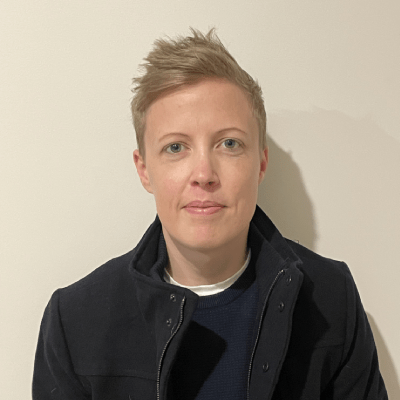 In the past decade, groundbreaking therapies have emerged that extend the life expectancy of melanoma patients and, in some cases, lead to cures. However, despite this, an Australian life is still lost to melanoma every six hours. Dr Lelliott recognised the urgent need to understand why these therapies succeed in some patients but fail to save others. Her research aimed to unravel the underlying effectiveness of these therapies and identify ways to enhance their efficacy in a broader range of patients.
In the past decade, groundbreaking therapies have emerged that extend the life expectancy of melanoma patients and, in some cases, lead to cures. However, despite this, an Australian life is still lost to melanoma every six hours. Dr Lelliott recognised the urgent need to understand why these therapies succeed in some patients but fail to save others. Her research aimed to unravel the underlying effectiveness of these therapies and identify ways to enhance their efficacy in a broader range of patients.
The research uncovered unexpected effects of melanoma therapies on the immune system, specifically on a type of immune cell called T-cells. T-cells have abilities to identify and eliminate harmful diseases, including cancer, within the body. Dr Lelliott's discoveries revealed that therapies initially designed to target melanoma cells also significantly enhance the cancer-fighting capacity of T-cells. This insight can be strategically leveraged to improve therapeutic effectiveness across various contexts.
This research has not only opened a new area of focus but has also influenced the design of clinical trials, not only for melanoma treatment but also for other types of cancer.
Through her research, Dr Emily Lelliott has advanced understanding of melanoma therapies and their interactions with the immune system. Her work has the potential to reshape the landscape of cancer treatment, offering hope for improved outcomes and ultimately saving more lives.
Dr Shawana Andrews
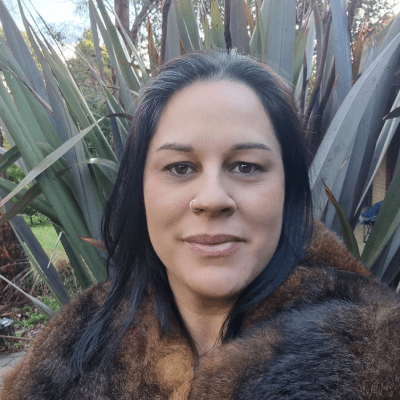
Dr Shawana Andrews did the ‘Cloaked in Strength’ study to explore the lived experiences of Domestic and Family Violence (DFV) among urban Aboriginal women. This study involved engaging 17 Aboriginal mothers in Melbourne through yarning interviews and a series of possum skin cloak workshops, allowing their stories of DFV to be considered.
The study explored the marginal position of Aboriginal women, including in private and public, their communities, and across society. The analysis identifies Aboriginal women’s relationships and how structures of power impact their mothering and obscure DFV accountability.
Several significant areas of discussion emerge from this research, including the perpetuation of silences surrounding DFV, the importance of understanding the relationality of Aboriginal women, and their agency in the management of daily experiences of DFV.
A significant conclusion is that DFV research is important to Aboriginal women and can un-silence Aboriginal women’s voices. The thesis has contributed valuable evidence that can inform policy and practice reforms related to DFV. It has identified the nuanced experiences of Aboriginal women placing gender at the centre of the work and challenging existing frameworks in child protection, DFV, and Aboriginal health and welfare policy and practice.
The study identifies that the health outcomes of Aboriginal women living with DFV often encompass complex and long-term psychological traumas that are significantly unaddressed. Dr Shawana Andrews’ research has the potential to be transformational for Aboriginal women by recognizing the nuanced nature of mothering within the context of DFV and acknowledging the gendered lived experiences associated with it.
Dr Kathryn Connelly
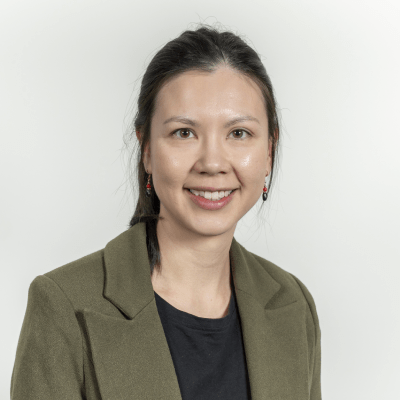 Dr. Kathryn Connelly's research addresses the need for new treatments in systemic lupus erythematosus (SLE), an incurable autoimmune disease. Despite demand for effective therapies, there has been a lack of success in clinical trials for SLE. One challenge is inadequate clinical trial endpoints, which often fail to capture meaningful improvements.
Recognising this gap, Dr. Connelly's research focuses on developing an instrument and endpoint to measure treatment response in SLE clinical trials accurately. To do this, she assembled an international taskforce of lupus clinical experts, patient representatives, and experts from pharmaceutical companies. Dr. Connelly aims to understand the limitations of existing trial endpoints, address knowledge gaps, and form a step-by-step plan to create and implement a new instrument and endpoint.
By introducing more robust and patient-centric measures, Dr. Connelly's research aims to enhance the evaluation of potential therapies and facilitate the approval of novel treatments for SLE. This work has the potential to impact the lives of people living with SLE by improving their quality of life and expanding their treatment options.
Dr Owen Bradfield
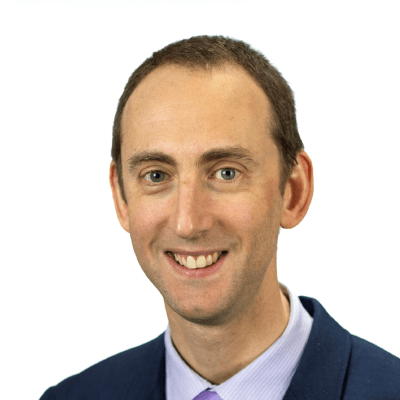 Legal complaints against doctors provide important mechanisms for monitoring and maintaining healthcare standards. However, they can also be distressing for doctors, with evidence that they can double a doctor’s risk of depression, anxiety, and suicidal ideation.
Dr Owen Bradfield’s research explores the relationship between legal complaints against doctors and their well-being. Through analysis of legal cases, legislation, and extensive datasets, he demonstrates that regulatory processes designed to protect the public do not always identify or mitigate risk.
The research finds that punitive regulations can discourage candour, encourage concealment of mistakes, and create fear of seeking help, which can worsen health outcomes for doctors and potential public risks. The findings highlight that to safeguard patient care and support doctors' well-being, systemic issues in the regulation of healthcare standards must be addressed.
Dr Bradfield's work deepens our understanding of the balance between competing public and practitioner interests in a regulatory context. This work offers a pathway for reforms that protect doctors' well-being, uphold the highest standards of patient care, and ensure a safer healthcare system.
Dr Jaithri Ananthapavan
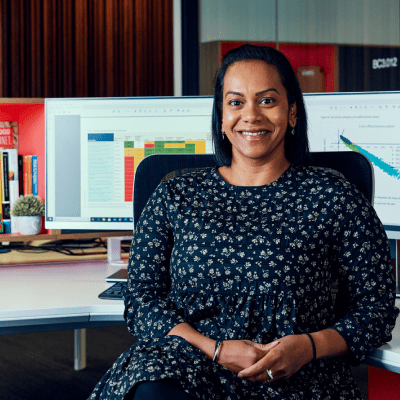
Dr. Jaithri Ananthapavan’s research focuses on preventive health measures targeting obesity in Australia. Her work examines how economic evidence can be used to evaluate preventative health programs and inform decision-making in shaping effective policies.
The research looked specifically at cost-benefit analysis (CBA) as a tool to evaluate obesity prevention initiatives. To test the suitability of using CBA to assess obesity prevention initiatives, Dr Ananthapavan developed a comprehensive CBA framework specifically designed for preventive health policies and applied it to the assessment of a supermarket-based obesity prevention intervention.
These findings provide valuable insights that can inform the implementation of the National Obesity and National Preventive Health strategies. Dr Ananthapavan's research contributes to improving the health outcomes of all Victorian’s and informs evidence-based decision-making in tackling the obesity epidemic.
Page last updated: 10 June 2026