
TAFE Disability Transition Officers are helping students to succeed
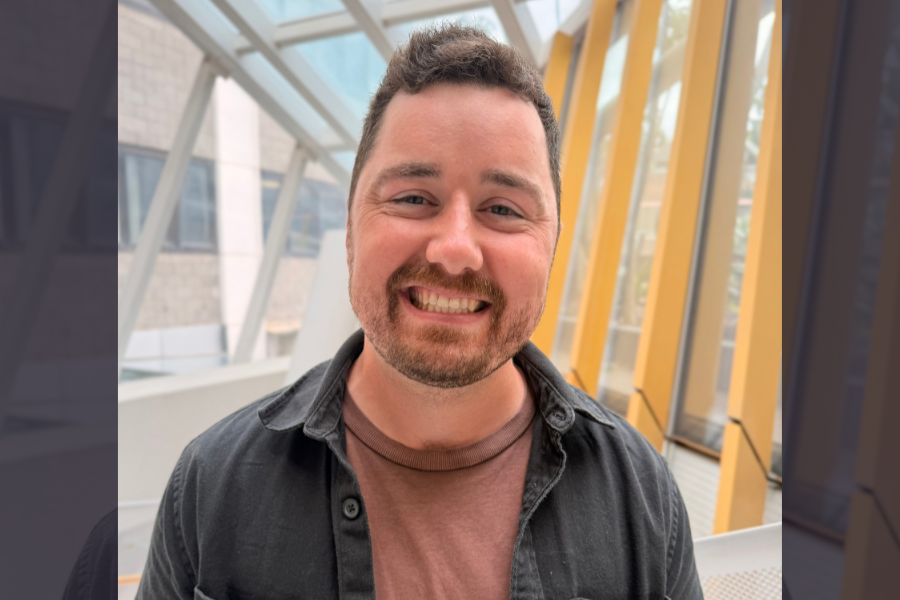
Jessy Olech is making it easier for students who have a disability to transition from senior secondary school to TAFE.
Finishing secondary school can be exciting. It can also be nerve-wracking.
You’re stepping into the unknown.
You’ve got a world of new people and new experiences ahead of you.
For students who have a disability there can be extra challenges with the move from school to further study. So how do you take the next step when you don’t know who to ask for support?
You talk to someone like Jessy Olech.
As RMIT’s TAFE Disability Transition Support Officer, Jessy’s job is to help senior secondary school students with a disability prepare for plan and manage the transition to learning at TAFE.
Or, as Jessy puts it, ‘I’m going to get to know you and I’m going to be a contact person for you.’
The transition to TAFE doesn’t start on the first day of classes.
Sometimes it starts 3 or 6 months earlier, when a student attends an open day or information session.
Jessy is the friendly face that students and their families can talk to. ‘When you tell them about your role, you can see the look on their face and how reassured they feel,’ he says.
From that first conversation, right through the first 90 days at TAFE, Jessy offers individualised support and guidance.
‘Initially, it’s helping students to understand TAFE processes and policies,’ he says. ‘Every TAFE is different, so it’s important for them to understand the rules at their TAFE.’
‘We also try to paint a picture of what the TAFE classroom experience will be like.’ These discussions help Jessy to understand and identify each student’s communication and self-advocacy skills. ‘This could be the student’s first time at the table to discuss their education – they want to take responsibility and be independent.’
Every TAFE in Victoria has a Disability Transition Officer. They support students with a wide range of disabilities and conditions, including physical disabilities, mental health conditions, neurodivergence and long-term medical conditions. Assistance can include introductions to program leaders, referrals to TAFE support services and working with educators on reasonable accommodations.
Jessy can help students who have a disability to develop their own equitable learning plan, sometimes called a learning access plan. He can also provide information about the flexible options for course-load management and assessments.
His personalised campus tours are proving to be popular with newly enrolled students too. ‘Students benefit from getting to see where their classrooms are before their classes start,’ he explains, ‘as well as parking and public transport options. This can also form part of our accessibility assessment for any mobility support needs.’
Jessy finds that secondary school students who have a disability often have initial concerns about studying at TAFE, but they overcome those by being in the classroom. ‘They have a sense of accomplishment – they can do this.’
And what does Jessy enjoy about being RMIT’s TAFE Disability Transition Support Officer?
‘I love to see students when they progress – you get to see their personal growth.’
He also finds it rewarding to help young students begin their TAFE journey. ‘Disability Transition Officers provide holistic support, which has brought a whole new dynamic to TAFE support services,’ Jessy says.
‘It’s all about access and participation.’
Learn more about TAFE disability transition support.